
Steamships and the Need for Fue
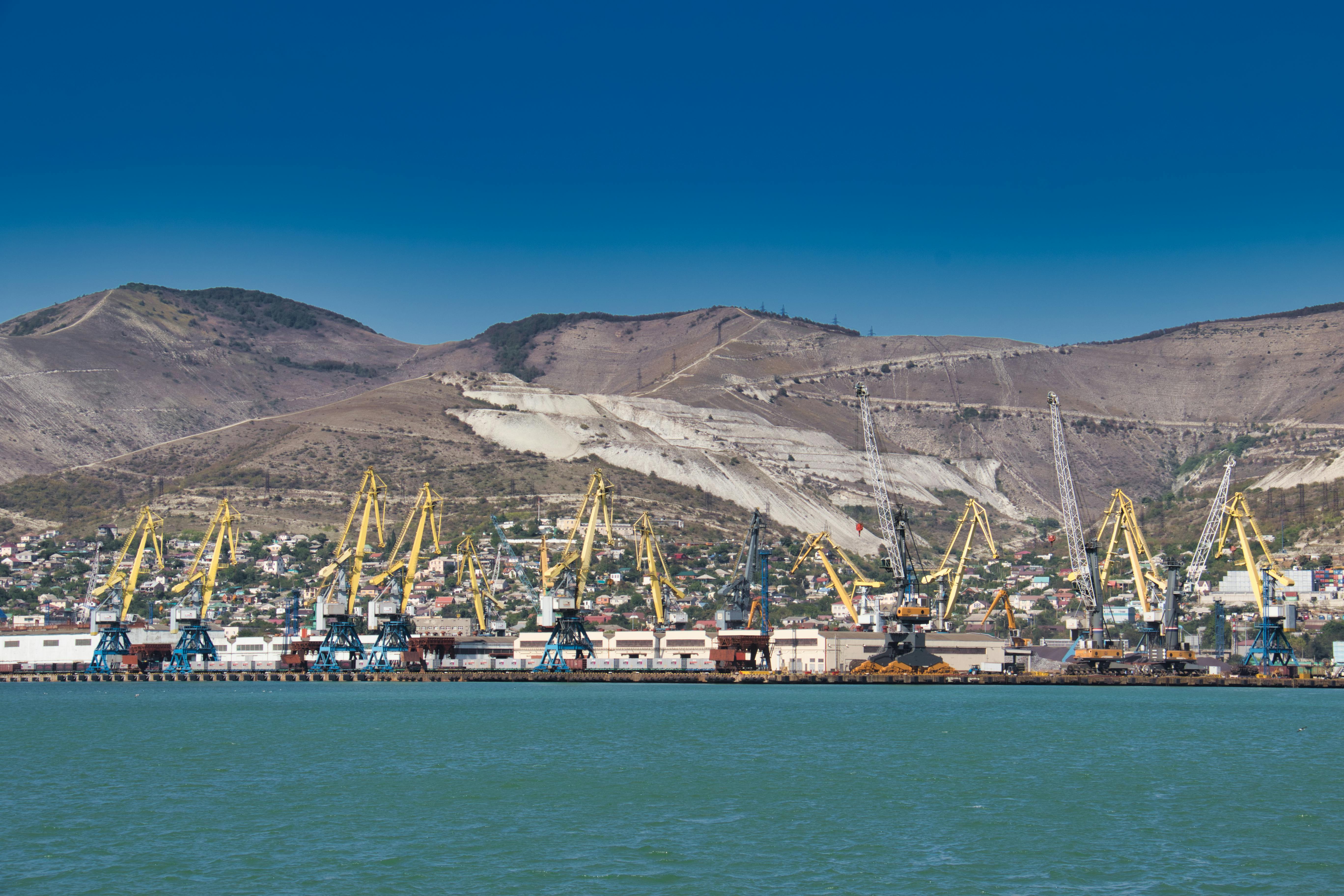
Steamships revolutionized maritime travel and commerce in the 19th century, drastically reducing travel times and increasing the reliability of ocean voyages. Powered by coal-fired steam engines, these vessels became the backbone of global trade, replacing traditional sailing ships that relied on wind power. However, steamships had a constant and urgent need for fuel, as their engines consumed large amounts of coal during voyages. This led to the development of extensive fueling networks, with ship chandlers at ports around the world providing the necessary coal to keep steamships operational. Ship chandlers played a crucial role in ensuring that steamships remained fueled, offering timely deliveries of coal and other supplies needed to keep the engines running efficiently
As global trade expanded, ship chandlers became indispensable to steamships, not only providing fuel but also other critical supplies such as food, fresh water, and spare parts. Ports around the world developed into key refueling stations, and the efficiency of ship chandlers in delivering coal could mean the difference between a smooth voyage and significant delays. With the high demand for fuel, the logistics of supplying coal to steamships required careful coordination, especially during long voyages. Today, though steam power has been replaced by more modern propulsion systems, the legacy of ship chandlers’ role in fueling steamships highlights their importance in maritime history, ensuring that vessels stayed operational and global commerce flourished during the age of steam.